
The Gift that Keeps on Giving: A Library Book
By Cassie Willner
Dispersing new, high interest books to children in under-resourced communities across Vermont and New Hampshire has been a cornerstone of CLiF programming since 1998. We’re known for our free book giveaways, if we do say so ourselves.
Something we’re perhaps a little less known for is our deep commitment to another essential component of CLiF programming: the humble, hard-working library book.
Since the very beginning of CLiF’s work, we have emphasized investment in library books as enduring resources with the power to impact both organizations and children. While we haven’t tracked every single library book purchased for CLiF grantees over the past 28 years, it’s guaranteed to be a gigantic number.
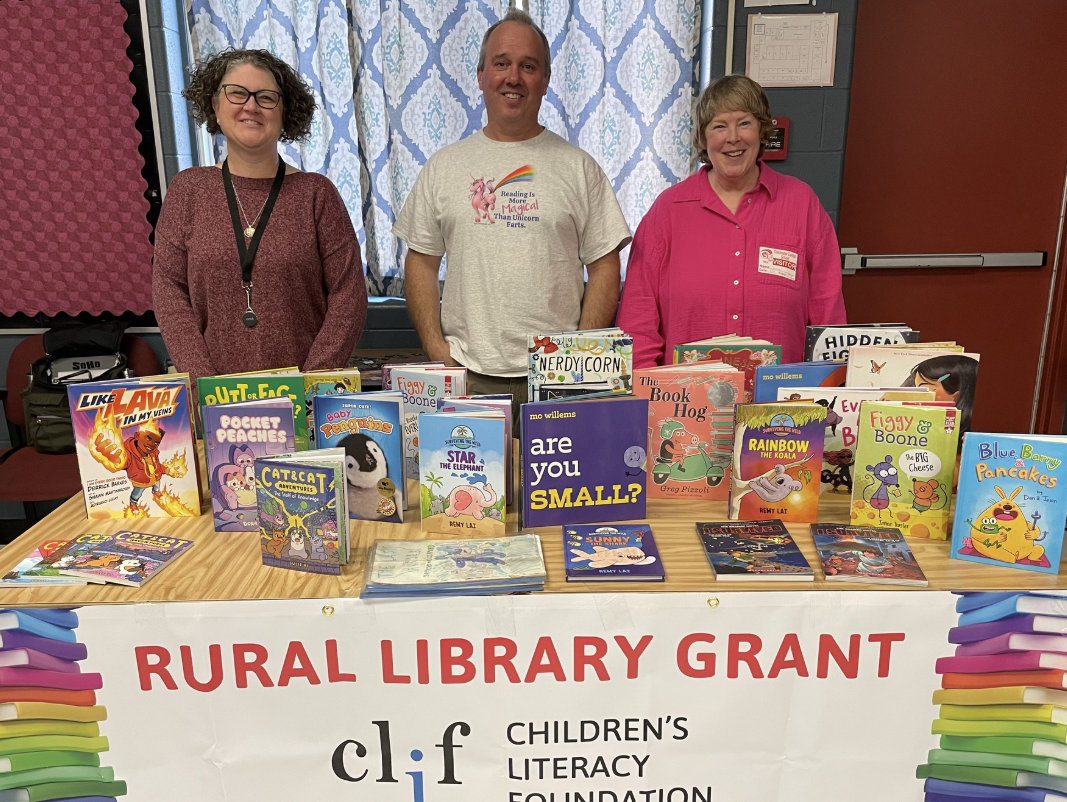
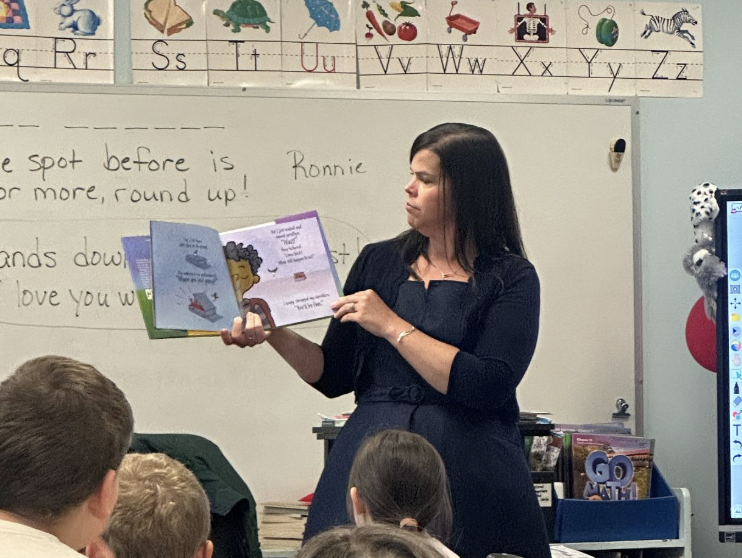
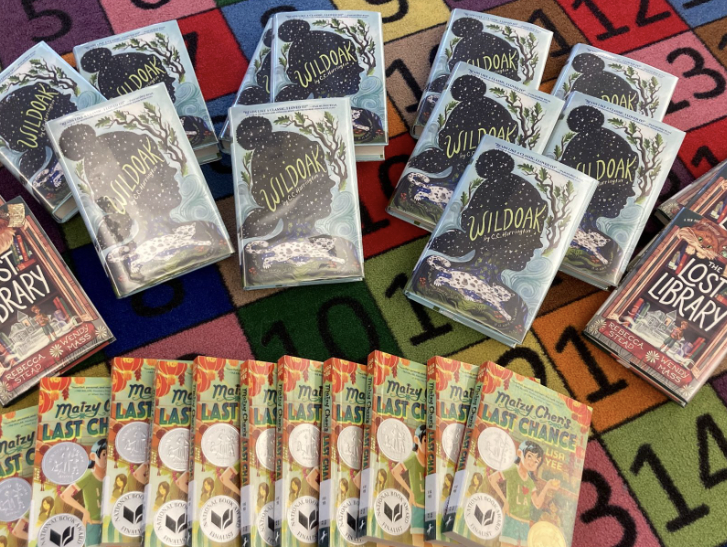
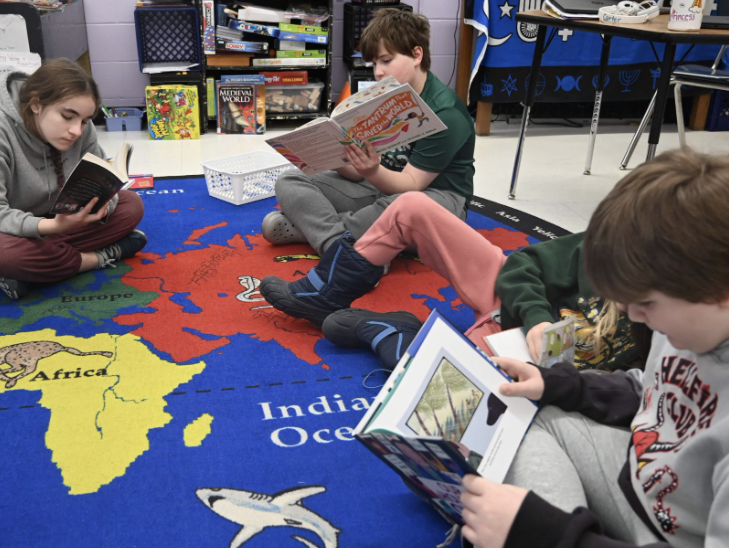
As with giveaway books, we seek to increase access to high-quality books for the children we serve. This means diversifying how and where they find books, whether it’s at home, the local library, a bookshelf at an afterschool program, or a book bin at a childcare center. The goal is more books, everywhere, to offer children choice and exposure.
But new books are expensive, and often cost prohibitive for our partners with extremely limited (or nonexistent) book purchasing budgets. This is where CLiF comes in. A beautiful, new hardcover book represents quality and reflects positively on the library. In this sense, purchasing library books is a double investment in both infrastructure and reader.
We’re not just talking about traditional public libraries here–CLiF also purchases books for on-site collections such as elementary school classrooms, childcare centers, preschools, correctional facilities, homeless shelters, out-of-school time programs, affordable housing sites, and more.
It’s extremely important to update collections with diverse titles, current nonfiction information texts, popular series, and relevant topics and themes for today’s youth. New books are enticing! They are not only eye candy on display–with their gorgeous, glossy covers–but they get kids excited to read about new places, experiences, and fantastical worlds.
New books draw in families, eager to read with their children and pick out books to bring home. In the words of a CLiF public library grantee who used CLiF funds to purchase new titles for their bookmobile: “The CLiF books circulated like hotcakes.”
Printed copies of books are here to stay. We’ve heard from program partners how strongly they desire a physical book in a child’s hands vs. more screen time. The best part? Multiple children and families get to enjoy these books over, and over again. Such is the power of a library book–it compounds on itself and pays off the initial investment in spades.
Here’s a rundown of CLiF's many avenues for distribution of new library books in FY26:
- Rural Library Grant: New children’s books for the public library’s collection and new books for the local elementary school library’s collection; flex funds for the library grantee with the option for more books, including alternative formats, foreign language titles, or VOX books with embedded audiobook players.
- Year of the Book Grant: Includes new children’s books for the school library’s collection and new books for the local public library’s collection; plus classroom books to enhance literacy and learning.
- Early Childhood Literacy Grant: Includes new books for preschools, child care centers, public libraries, and early education programs to enhance their collections for ages 0-5; plus flex funds with the option to buy more books, including alternative formats, foreign language titles, or books with embedded audiobook players (i.e. VOX books or Yoto players).
- Community Literacy Grant: Includes new library books for community program partners including homeless shelters, out-of-school time programs, affordable housing sites, and more.
- Literacy Enrichment Grant: Option for grantee to purchase new library or onsite lending books to support their project that “brings literacy to life.”
- Spark Grant: Option for grantee to purchase new children’s books for a library, classroom, or program’s lending collection.